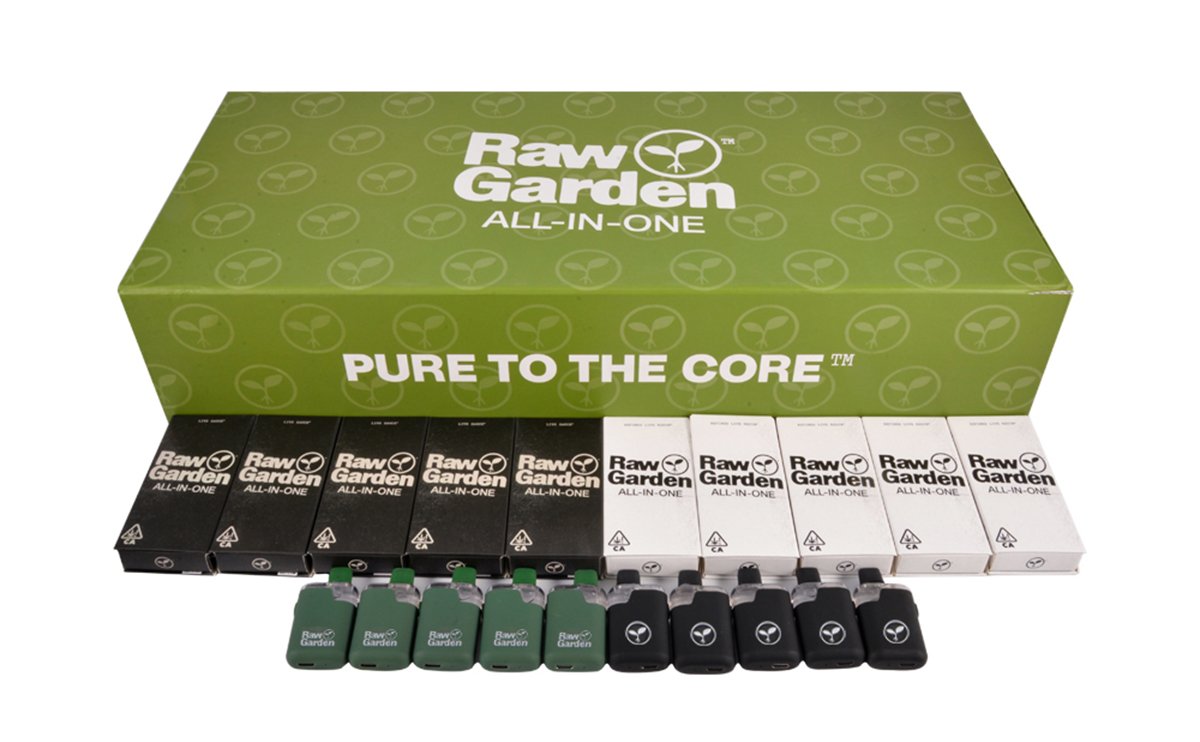
Choosing an empty disposable platform for a B2B project is different from choosing a finished consumer product.
A product can look attractive in photographs, use a familiar 2G format, and still be unsuitable for a particular wholesale program.
For buyers researching RAW GARDEN V2 2G empty disposables, the most useful next step is not immediately comparing prices. It is building a consistent evaluation process.
A good hardware audit can help buyers compare suppliers using the same criteria and identify potential problems before a large production order.
1. Confirm What “2G” Means
The first question is surprisingly simple:
What exactly does the supplier mean by 2G?
Product listings frequently use terms such as 2G, 2 gram, 2000mg, and 2ML. These terms can appear together in search results, but they should not automatically be treated as interchangeable technical specifications.
Ask the supplier for the actual hardware capacity and clarify whether the listed figure refers to nominal capacity, usable capacity, or a marketing designation.
This prevents a common sourcing mistake: comparing two products that use the same keyword but have different physical specifications.
2. Examine the Chamber Architecture
The next step is understanding how the chamber is constructed.
A single-chamber AIO design has a different architecture from a dual-chamber device.
For a buyer looking specifically for a RAW GARDEN V2 2G empty disposable, confirming the chamber structure is important because it affects the overall hardware configuration and product positioning.
Do not assume two visually similar devices have the same internal design.
Request technical drawings, specification sheets, or samples when necessary.
3. Check the Battery Configuration
Battery specifications are another major comparison point.
A supplier should clearly identify the battery capacity and whether the device is rechargeable.
For rechargeable hardware, also confirm:
Charging port
Charging configuration
Activation method
Output characteristics
Battery protection design
Production consistency
The important issue for B2B purchasing is not simply finding the highest battery number.
The objective is finding a battery configuration that is appropriate for the device architecture and intended product program.
4. Evaluate the Heating System
The heating system deserves its own evaluation because it directly interacts with the filled material during the final product process.
Buyers should ask the supplier what heating component is used and whether the same component will be maintained throughout production.
Consistency matters.
If the supplier changes internal components between batches without notifying the buyer, the resulting product may not perform identically even if the external housing remains unchanged.
5. Inspect the Filling Structure
Empty hardware is ultimately purchased because it will be filled later.
That makes the filling system an important part of the purchasing decision.
Ask about:
Filling port dimensions
Filling method
Sealing structure
Internal access
Recommended filling process
Compatibility requirements
Leakage-control design
The supplier should be able to explain the hardware rather than simply provide a product photograph.
6. Review Physical Construction
A B2B buyer should examine more than appearance.
Inspect the:
Housing
Mouthpiece
Seals
Charging interface
Oil window
Connections
Printing
Assembly
Surface finish
If samples are available, compare multiple units side by side.
Small differences between samples can reveal production consistency issues that are difficult to identify from a single product photograph.
7. Treat Packaging as Part of the Product
Packaging can become especially important when purchasing branded or private-label hardware.
Buyers should confirm exactly how many units are packed in each layer and whether printed packaging, stickers, or other components are included.
This information also matters for freight calculations and warehouse planning.
8. Compare MOQ and Production Capability
MOQ should not be considered independently from production capability.
A supplier offering a low MOQ may be useful for sampling or smaller projects, while a larger buyer may care more about whether the supplier can reproduce the same configuration across multiple production runs.
Questions worth asking include:
What is the standard MOQ?
Is the MOQ different for custom packaging?
What is the sample lead time?
What is the normal production lead time?
Can the supplier support repeat orders?
Is there a documented QC process?
The answers provide a clearer picture than unit price alone.
9. Check Whether Specifications Stay Consistent
One of the most important B2B questions is:
Will the production version match the sample?
Ask the supplier to confirm the key specifications in writing.
For example:
Area
What to confirm
Capacity
Nominal and usable capacity
Battery
Rated capacity and configuration
Charging
Port and charging design
Heating
Component specification
Activation
Auto-draw, button, or both
Chamber
Single or dual
Packaging
Units per box/carton
Customization
Printing, colors, labels
MOQ
Standard and customized MOQ
This gives both sides a reference point before production begins.
10. Look Beyond the Product Page
The strongest B2B sourcing decision rarely comes from one product page.
A serious buyer should evaluate the supplier itself.
Look for evidence of:
Clear technical documentation
Stable product catalog
Consistent product photography
Transparent packaging information
Sample support
Quality-control procedures
Communication efficiency
Repeat-order capability
Google’s current guidance also emphasizes that useful content should provide original, substantial information rather than simply repeating information already available elsewhere.
That principle applies to B2B sourcing as well: the more specific the information, the easier it becomes to make a meaningful comparison.
Why Price Should Not Be Your First Filter
Suppose Supplier A quotes a lower unit price but does not clearly define the packaging configuration.
Supplier B costs slightly more but provides a complete specification sheet, samples, packaging details, and documented production requirements.
The lower initial price does not automatically represent the lower total sourcing cost.
B2B buyers should consider the entire procurement process, including:
hardware + packaging + quality consistency + MOQ + lead time + logistics + communication.
That is particularly important for products intended for repeat wholesale purchasing.
Final Checklist
Before choosing a RAW GARDEN V2 2G empty disposable, a buyer should be able to answer these questions:
What is the actual hardware capacity?
Is it single chamber or dual chamber?
What battery configuration does it use?
Is it rechargeable?
What charging interface is included?
What heating component is used?
How does filling work?
What packaging is included?
What is the MOQ?
Can the supplier reproduce the same specifications consistently?