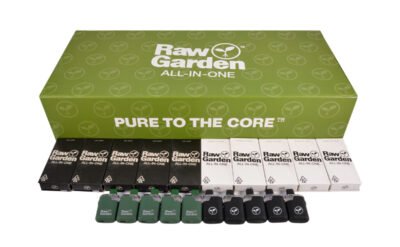
When a buyer reaches the purchasing stage, the question is no longer simply:
“What is a RAW GARDEN V2 2G disposable?”
The more important question becomes:
“Can I source the exact hardware configuration I need, in the quantity I need, with consistent specifications?”
That is the real purpose of a B2B product evaluation.
For buyers searching for RAW GARDEN V2 2G disposables empty, the final purchasing process should move through several clearly defined steps: specification confirmation, sample approval, packaging confirmation, MOQ confirmation, production planning, and shipment.
Start With the Exact Hardware Specification
Before discussing price, establish a written specification.
The product title may contain several commercially useful terms:
RAW GARDEN V2 + 2G + disposable + empty + AIO
But a title is not a technical specification.
The quotation or specification sheet should identify the actual hardware configuration.
At minimum, request confirmation of:
Capacity
Chamber structure
Battery
Charging interface
Heating system
Activation method
Dimensions
Materials
Packaging
Available colors
Customization options
This prevents misunderstandings between the product listing and the actual production order.
Request a Sample Before Bulk Production
For a B2B order, sampling should come before mass production.
The purpose of the sample is not only to check whether the device looks correct.
A buyer should inspect:
Hardware
Check the physical construction, finish, assembly, mouthpiece, oil window, charging port, and overall consistency.
Make sure the specification supplied by the manufacturer matches the actual sample.
Production Consistency
If possible, request several samples rather than evaluating a single unit.
A single sample can demonstrate that a product exists.
Multiple samples provide more information about consistency.
Confirm the Packaging Configuration
Packaging should be written into the purchase specification rather than discussed casually.
For example, the buyer may need to know:
How many units are in one individual box?
How many boxes are in one inner carton?
How many units are in one master carton?
Are stickers included?
Is custom printing available?
Are device colors fixed or selectable?
These details affect both warehouse planning and shipping calculations.
Current B2B listings for RAW GARDEN V2-style empty hardware show that suppliers may use different packaging configurations and technical specifications, which is another reason buyers should verify the actual supplier’s configuration rather than copying specifications from another listing.
Ask for the MOQ in Writing
MOQ can change depending on what the buyer wants.
A standard hardware order may have one MOQ, while customized colors, printed boxes, stickers, or other branding requirements may have another.
Ask for separate quantities for:
Standard hardware MOQ
Custom color MOQ
Custom packaging MOQ
Custom printing MOQ
Repeat-order MOQ
This makes it easier to calculate the actual entry cost of the project.
Compare Unit Price Correctly
A B2B buyer should avoid comparing unit prices without comparing the same package configuration.
Total delivered hardware package cost ÷ usable units received
This creates a more realistic basis for supplier comparison.
Production Lead Time Matters
A supplier should provide an estimated production timeline before the order is confirmed.
For standard products, ask whether inventory is available.
For customized orders, ask about:
Artwork approval
Sample approval
Packaging production
Hardware production
Assembly
Quality inspection
Final packing
A clear production timeline helps buyers coordinate their own inventory and sales planning.
Create a Purchase Specification Sheet
One of the easiest ways to reduce misunderstandings is to create a single specification sheet.
For example:
Item
Requirement
Product
RAW GARDEN V2 2G empty disposable
Hardware
Approved sample
Capacity
Confirmed specification
Chamber
Confirmed specification
Battery
Confirmed specification
Charging
Confirmed specification
Heating
Confirmed specification
Activation
Confirmed specification
Device color
Approved color
Packaging
Approved artwork
Individual box
Confirmed
Master carton
Confirmed
Quantity
Confirmed
MOQ
Confirmed
Lead time
Confirmed
The important part is that the approved sample and written specification should describe the same product.
Quality Control Should Happen Before Shipment
For repeat B2B orders, quality control should not begin after the goods arrive.
The supplier and buyer can establish inspection requirements before production.
Depending on the project, inspection can cover:
Quantity
Appearance
Printing
Packaging
Charging interface
Assembly
Dimensions
Component consistency
Carton labeling
The exact inspection standard should be agreed upon in advance.
Don’t Treat “Wholesale” as a Specification
A common mistake in B2B sourcing is treating the word “wholesale” as if it describes product quality.
It does not.
“Wholesale” primarily describes the purchasing model.
Two suppliers can both sell wholesale hardware while offering completely different:
Specifications
MOQ
Packaging
Quality systems
Lead times
Customization options
Warehouse availability
Therefore, wholesale should be the beginning of the purchasing conversation, not the end.
Compliance and Market Requirements
Empty hardware does not automatically mean that every finished-product use case is permitted in every market.
Before purchasing or distributing hardware for a specific market, buyers should independently verify applicable product, labeling, import, resale, and other legal requirements for the intended jurisdiction.
This is particularly important when hardware will ultimately be used in products regulated differently depending on their contents and intended use.
A responsible supplier should provide accurate hardware information rather than making broad claims about regulatory approval.
When Is It Time to Place the Bulk Order?
A buyer is generally ready to move from sample evaluation to purchasing when the following information is confirmed:
Product specification → Sample → Packaging → MOQ → Price → Lead time → QC requirements → Shipping arrangement
If one of these elements remains unclear, it is worth resolving the issue before the purchase order is finalized.
Final Takeaway
Sourcing RAW GARDEN V2 2G disposables empty should not be reduced to finding the lowest advertised unit price.
A professional B2B purchasing process is much more structured.
First, confirm the hardware.
Then approve the sample.
Next, confirm the packaging.
After that, establish MOQ, pricing, production timing, quality requirements, and logistics.
Only then should the buyer move into bulk purchasing.
For wholesalers and hardware distributors, this process provides something more valuable than a low initial quotation: a repeatable sourcing standard that can be used for future orders.